
The Japanese pet collar aesthetic transcends simple accessories; it’s a nuanced reflection of Japanese culture, blending tradition with modern sensibilities. From the delicate artistry of handcrafted materials to the symbolic weight of colors and patterns, these collars offer a unique connection between pet and owner. This exploration delves into the intricate world of Japanese pet collars, examining their design elements, cultural influences, and enduring appeal.
This deep dive into the Japanese pet collar aesthetic reveals a rich tapestry of influences, from historical symbolism to contemporary trends. The meticulous craftsmanship, the careful selection of materials, and the profound cultural significance all contribute to a captivating and personal style for pets.
Defining the Aesthetic
The Japanese aesthetic for pet collars reflects a deep-seated cultural appreciation for balance, harmony, and meticulous craftsmanship. This extends beyond mere practicality, incorporating symbolic meanings and artistic sensibilities. It’s a fusion of traditional design elements with modern interpretations, creating a visually appealing and often subtly sophisticated look for companion animals.The aesthetic draws heavily from Japanese artistic traditions, including the emphasis on natural motifs, understated elegance, and the use of high-quality materials.
The influence of Zen Buddhism and its emphasis on simplicity and mindfulness are also evident in the restrained palette and clean lines often found in Japanese pet collars.
Key Characteristics
Japanese pet collars are often characterized by a minimalist approach, with clean lines and a focus on high-quality materials. The color palettes frequently include earthy tones, muted pastels, and subtle variations of black and white, reflecting a preference for natural and understated aesthetics. The incorporation of traditional Japanese patterns, such as floral motifs or stylized animal representations, further contributes to the distinctive character of these collars.
Cultural and Historical Influences
The Japanese aesthetic for pet collars is deeply rooted in the country’s rich cultural heritage. The emphasis on harmony with nature, evident in traditional Japanese gardens and art forms, is reflected in the natural color palettes and materials often used in pet collars. The meticulous attention to detail, a hallmark of Japanese craftsmanship, is evident in the precise design and construction of these collars.
This aesthetic transcends the functional, imbuing the collar with symbolic meaning and artistic merit.
Color Palettes and Materials
The color palettes in Japanese pet collars typically avoid vibrant hues, favoring muted and natural tones. Common examples include soft blues, greens, browns, and creams. Black and white are also frequently used for a sophisticated contrast. Materials commonly include high-quality leather, often treated with natural oils for a soft texture and lasting durability. Metal components, like brass or nickel, are also frequently used, often in understated designs that complement the overall aesthetic.
Natural fibers like cotton or linen, are also utilized, especially for handmade or more traditional styles.
Patterns and Shapes
Japanese pet collars often incorporate subtle patterns, such as delicate floral designs or stylized representations of nature. These patterns are typically not overly bold, allowing the natural beauty of the materials to shine through. Shapes tend towards simple and streamlined designs. Round, oval, and rectangular shapes are common, reflecting a preference for clean lines and minimalist forms.
The overall aesthetic is one of refined simplicity, rather than ostentatious embellishment.
Sizes and Types
Japanese pet collars are available in a range of sizes, designed to accommodate various breeds and sizes of pets. The collar size is usually selected based on the dog’s neck circumference, allowing for a comfortable and secure fit.
Colors and Patterns
Japanese aesthetics, deeply rooted in tradition, often find expression in subtle yet powerful symbolism. Pet collars, reflecting this sensibility, incorporate colors and patterns that carry specific meanings, shaping the wearer’s perceived identity and personality. These visual cues, carefully chosen, communicate aspects of the pet’s character and the owner’s intention.The use of colors and patterns in Japanese pet collars is not arbitrary; each element is laden with cultural significance, echoing centuries of artistic and philosophical thought.
From the muted tones of nature to the vibrant hues of celebration, the choice of color and pattern on a collar speaks volumes about the owner’s connection to their pet and the values they hold dear.
Symbolic Meanings of Colors
Japanese culture assigns symbolic meaning to colors, often drawing from nature’s palette. These associations can influence the selection of colors for pet collars. For example, the color red (beni) can represent good luck and prosperity, while green (midori) evokes nature’s vitality and growth. Blue (ao) can represent tranquility and calmness, while black (kuro) can suggest elegance and sophistication.
Popular Color Palettes and Patterns
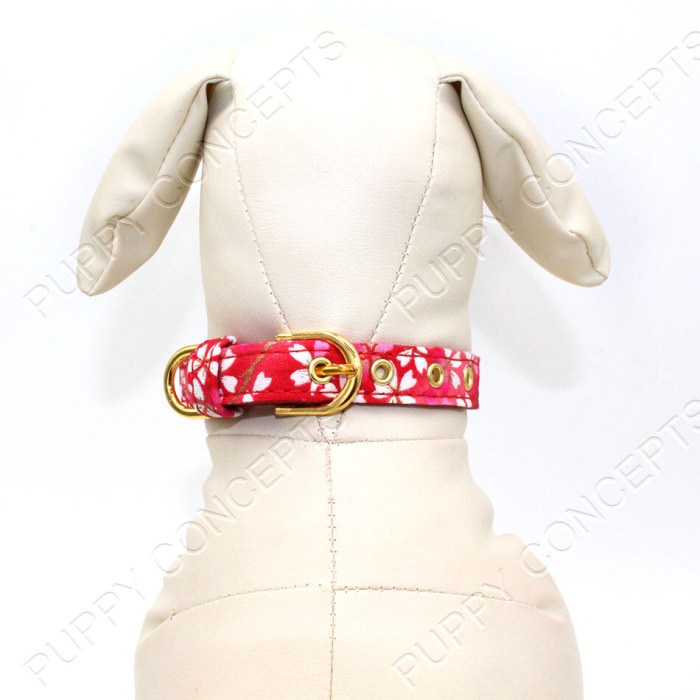
Traditional Japanese color palettes, often inspired by natural landscapes, are increasingly popular in pet collar designs. Muted tones like soft blues, greens, and browns, reminiscent of bamboo forests or the serene ocean, are highly sought after. These palettes evoke a sense of peace and harmony. Similarly, patterns inspired by Japanese art forms, such as cherry blossoms, traditional floral designs, and intricate geometric patterns, are common motifs.
These patterns contribute to the overall aesthetic appeal of the collar while reflecting the owner’s appreciation for Japanese artistry.
Examples of Popular Combinations
Examples of popular color combinations include:
- A deep indigo collar with subtle cherry blossom patterns evokes a sense of quiet elegance and sophistication, reflecting the owner’s appreciation for traditional Japanese artistry.
- A light sage green collar with subtle bamboo patterns creates a calming and natural ambiance, mirroring the owner’s connection to the serene beauty of nature.
- A rich burgundy collar with a subtle koi fish pattern suggests good fortune and prosperity, highlighting the owner’s desire for a positive outlook for their pet.
Impact on Mood and Emotion
The choice of colors and patterns directly impacts the perceived mood and emotion associated with the pet collar. Subtle, natural tones like light greens and browns evoke a sense of calm and tranquility, ideal for a quiet pet. Vibrant colors like reds and oranges, on the other hand, can suggest excitement and playfulness, suitable for an energetic pet.
Patterns, too, play a significant role. Intricate designs can suggest a sophisticated and refined personality, while simpler designs can reflect a straightforward and approachable demeanor. For example, a collar with simple stripes might be seen as friendly and approachable, while one with intricate patterns might be perceived as elegant and refined.
Color Palette Meanings
Shapes and Sizes
Japanese pet collars, reflecting a deep-rooted cultural appreciation for aesthetics and practicality, showcase a remarkable diversity in shapes and sizes. This adaptability caters to the diverse needs of various breeds and personalities, prioritizing both comfort and style. The selection of collar shapes often carries symbolic weight, further enriching the connection between owner and pet.Japanese artisans, renowned for their meticulous craftsmanship, meticulously consider the breed’s size and shape when designing a collar.
This ensures a proper fit and prevents any discomfort or strain on the pet’s neck. The intricate details and elegant design elements of these collars extend beyond simple functionality; they express a profound understanding of canine and feline anatomy, ensuring comfort and safety.
Collar Shape Variety
Japanese pet collars demonstrate a wide array of shapes, moving beyond the traditional flat, simple designs. These include the classic “maru” (circle), the “oblong” (rectangular) designs, and the more intricate “hana” (flower) patterns. Each shape offers a distinct aesthetic appeal, and its symbolic meaning adds another layer of significance to the accessory. The subtle variations in design and craftsmanship elevate these collars beyond mere accessories.
Breed and Personality Considerations
The choice of collar shape and size plays a significant role in accommodating various breed types and individual personalities. Small breeds, like Chihuahuas or Pomeranians, benefit from the delicate designs of the “maru” or “oblong” shapes, which are more refined. Larger breeds, such as German Shepherds or Great Danes, may benefit from collars with a more robust construction, like the “oblong” shape with reinforced stitching.
This tailoring enhances both the aesthetic appeal and the practicality of the collar. Beyond breed size, the collar’s shape can subtly reflect the pet’s personality, from a more reserved dog preferring a simple “maru” collar to a playful dog enjoying a more ornate “hana” collar.
Importance of Proper Sizing
Ensuring a proper fit is paramount to the well-being of the pet. A collar that is too tight can restrict breathing and cause discomfort, while one that is too loose can pose a safety risk. A collar that is properly sized is crucial for comfort and security. This meticulous attention to detail, along with the consideration for the pet’s breed and temperament, highlights the dedication to the pet’s well-being.
Careful measurements of the pet’s neck are essential for a secure fit.
Symbolic Meanings of Shapes
Japanese pet collars often incorporate symbolic meanings, reflecting the rich cultural heritage of the country. The “maru” shape, representing wholeness and completeness, is often preferred for its elegant simplicity. The “hana” shape, with its delicate floral motifs, symbolizes beauty and grace. The “oblong” shape signifies strength and durability, suitable for larger breeds. These symbolic undertones contribute to the overall appeal of the accessory.
Collar Shape vs. Breed Size Comparison
Pet Breed Considerations
The Japanese aesthetic for pet collars, characterized by its minimalist elegance and handcrafted details, offers a unique opportunity to complement the individual characteristics of various pet breeds. Adapting this style requires careful consideration of size, temperament, and overall fit to ensure both beauty and practicality. This nuanced approach allows owners to showcase their pet’s unique personality while maintaining their comfort and well-being.
Breed Size and Collar Style Considerations
Different breeds vary significantly in size, from tiny Chihuahuas to towering Great Danes. A collar that looks exquisite on a small dog might appear disproportionate on a larger one. Likewise, a collar intended for a spirited terrier might not be suitable for a placid bulldog. The choice of collar style should always prioritize the dog’s comfort and safety, and this directly impacts the overall aesthetic appeal.
Tailoring the Aesthetic for Specific Breeds
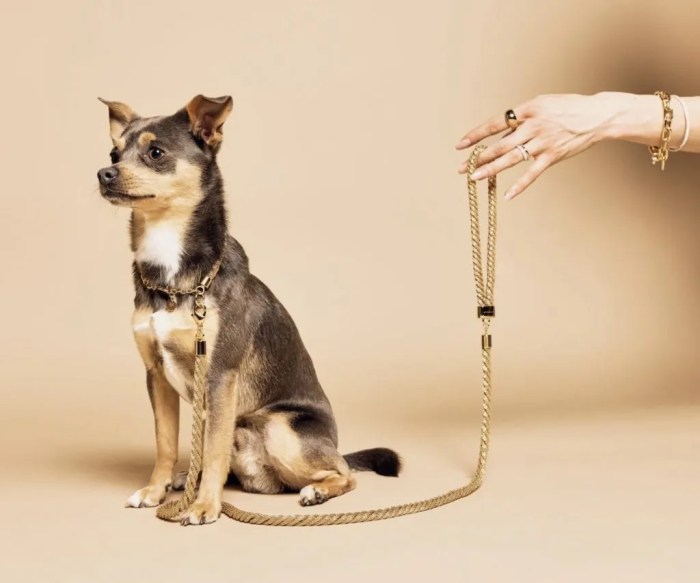
A delicate, hand-woven collar with intricate knotting is ideal for smaller breeds like Shih Tzus or Pomeranians, showcasing their dainty features. For medium-sized breeds like Golden Retrievers or Labradors, a slightly more substantial but still refined collar, perhaps featuring a simple, elegant metal clasp, strikes a harmonious balance between the aesthetic and the breed’s robustness. Larger breeds, like Saint Bernards or Mastiffs, benefit from collars that emphasize durability and a sense of composure, perhaps a wider, leather collar with a robust buckle.
The key is to choose a collar that both complements the breed’s physical attributes and doesn’t impede their movement or comfort.
Examples of Breed-Specific Styling
For a small, fluffy Pomeranian, a delicate, woven collar with a small, intricate metal charm in a muted gold or silver tone will highlight its features. The collar should be lightweight and soft, ensuring comfort. For a sturdy German Shepherd, a robust leather collar with a substantial buckle and a simple, yet bold, metal plate engraved with their name would be a fitting choice.
This style emphasizes the breed’s strength and dignity. Likewise, a medium-sized Beagle would look stylish in a leather collar with a patterned lining, such as a subtle plaid or houndstooth. The collar’s details should be well-crafted, ensuring a lasting quality that fits the breed’s energetic personality.
Breed Size and Collar Style Table
Care and Maintenance
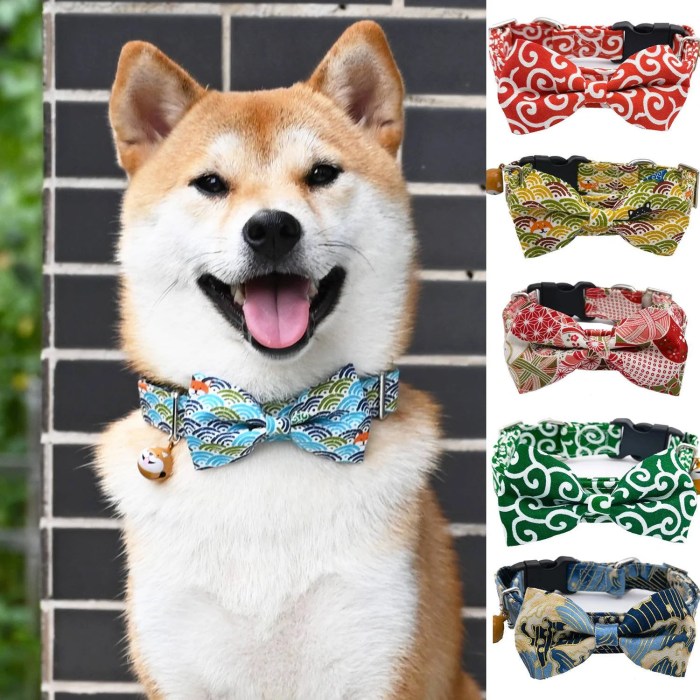
Japanese pet collars, prized for their aesthetic appeal and craftsmanship, require specific care to preserve their beauty and longevity. Proper cleaning and maintenance not only prolong the collar’s lifespan but also ensure its continued elegance. Neglecting these details can lead to premature wear and tear, diminishing the collar’s refined appearance.Maintaining the intricate details of a Japanese pet collar is paramount to preserving its value and unique character.
This involves understanding the materials used, the delicate construction, and the specific cleaning methods required to prevent damage. A well-maintained collar reflects the dedication to quality and aesthetics that defines the Japanese craftsmanship.
Cleaning Procedures
Maintaining the pristine condition of a Japanese pet collar necessitates a delicate approach. Avoid harsh chemicals and abrasive scrubbing, which can damage the intricate details. Gentle cleaning methods are essential to preserve the collar’s aesthetic.
Preventing Damage
Careful handling and storage are critical to preventing damage to a Japanese pet collar. These precautions will help preserve its beauty and longevity.
- Store the collar in a cool, dry place away from direct sunlight or moisture to prevent warping or fading. Use a soft cloth or tissue paper to protect the collar when storing it.
- Avoid exposing the collar to extreme temperatures, as this can damage the materials and alter the collar’s appearance.
- Do not use harsh chemicals or abrasive cleaners on the collar, as this can damage the delicate materials or cause discoloration.
- When handling the collar, avoid tugging or pulling on it excessively, as this can stretch or damage the material.
Repair and Replacement
Should damage occur, a thoughtful approach to repair or replacement is vital. Understanding the nature of the damage and the materials used is essential. This ensures the best solution is employed.
- Minor repairs, such as loose threads or small tears, can often be addressed with careful stitching using appropriate thread colors and needle sizes.
- For more significant damage, consider consulting a professional artisan specializing in Japanese craftwork. They can assess the damage and recommend the best repair or replacement method.
- If the damage is extensive, replacing the collar with a new one is the best option, ensuring the continuity of the pet’s aesthetic.
Retail and Availability
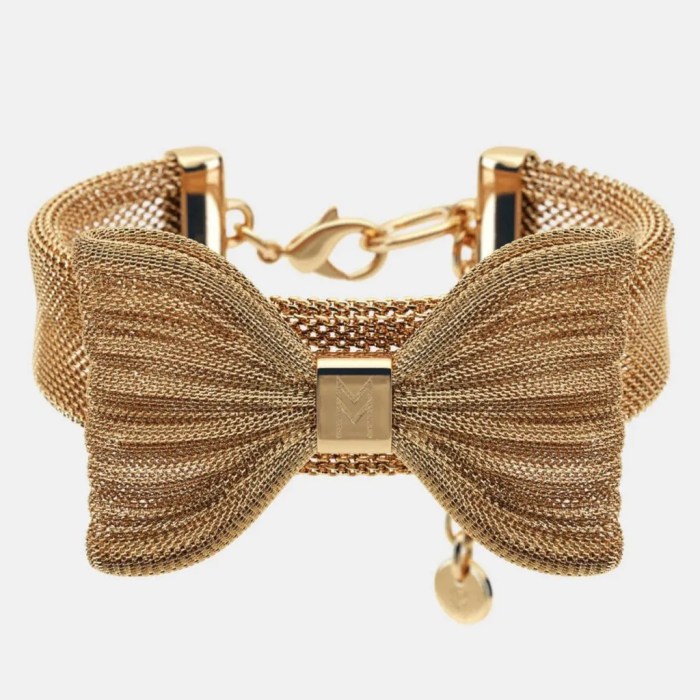
Japanese-inspired pet collars, with their intricate designs and craftsmanship, are gaining traction among pet owners seeking unique and stylish accessories. The availability of these collars, however, varies depending on the specific style and retailer. Demand often outpaces supply, especially for limited-edition or highly sought-after designs.
Online Retailers
Online marketplaces have become key channels for accessing Japanese pet collars, offering a wider selection than traditional brick-and-mortar stores. These platforms provide detailed product images and descriptions, allowing consumers to compare styles and colors easily. Crucially, online retailers often offer global shipping options, enabling owners worldwide to purchase these collars.
- Etsy, a popular online craft marketplace, features numerous sellers specializing in handcrafted Japanese-inspired pet accessories. These sellers often highlight the unique techniques and materials used in their products. Prices vary considerably, ranging from budget-friendly options to high-end pieces crafted with premium materials.
- Specialized pet supply websites often carry Japanese-inspired collars alongside a wider range of pet products. These sites may provide filters to narrow down search results by style, size, and materials. Pricing is often comparable to Etsy but with a broader selection of brands.
- Direct-to-consumer websites of Japanese pet accessory brands are becoming increasingly common. These sites frequently offer exclusive designs and potentially lower prices due to streamlined distribution channels. They usually showcase the brand’s philosophy and craftsmanship behind the products.
Brick-and-Mortar Stores
While online retailers dominate the market, some brick-and-mortar pet supply stores are beginning to carry Japanese-inspired pet collars. These stores often cater to a local clientele and may offer a personalized shopping experience, allowing for direct interaction with staff. Availability of specific styles and sizes, however, may be limited compared to online options.
- Specialty pet boutiques, often located in urban areas with a strong pet-owner community, are more likely to stock unique Japanese pet collars. They may partner with artisans or designers to offer limited-edition collections. Pricing reflects the premium craftsmanship and exclusivity.
- High-end pet stores in areas with a considerable affluent population might include Japanese pet collars in their selection, often alongside premium pet foods and accessories. Prices for these collars are usually higher than in other retail settings.
Pricing and Availability
The cost of Japanese pet collars varies significantly based on the materials, craftsmanship, and brand. Handcrafted collars made from high-quality materials like silk or leather can command premium prices, while simpler designs using more readily available materials are more affordable. Availability can also fluctuate depending on seasonal collections, limited-edition releases, and retailer inventory levels.
Reputable Brands
Several brands have emerged as reputable suppliers of Japanese-inspired pet collars, showcasing the growing market demand. These brands often prioritize quality craftsmanship, unique designs, and sustainable practices.
Inspiration and Creative Ideas
The Japanese aesthetic for pet collars offers a rich tapestry of inspiration, blending traditional artistry with contemporary design sensibilities. This allows for a wide range of creative expressions, from subtle nods to intricate details, allowing owners to personalize their pet’s adornment. Harnessing this versatility, pet owners can transform a simple collar into a unique statement piece.This exploration delves into techniques for creating original designs, incorporating personal styles, and crafting custom-made collars that showcase the beauty of Japanese aesthetics.
It also details how to seamlessly integrate traditional and modern elements while highlighting creative color and pattern combinations.
Original Design Inspiration
The Japanese aesthetic thrives on symbolism and meticulous craftsmanship. Drawing inspiration from traditional Japanese art forms, such as woodblock prints, calligraphy, and ceramics, offers a starting point. These intricate patterns and motifs can be translated onto collars with delicate embroidery, laser-etched designs, or even subtly woven into the collar fabric. Consider the use of natural materials, such as bamboo or silk, to further enhance the aesthetic.
Personalization and Custom Creations
Personalization is key to the Japanese aesthetic. Owners can incorporate elements reflecting their pet’s personality, such as their breed, color, or even a favorite toy or motif. Custom-made collars can be crafted to accommodate specific needs, such as using wider or narrower straps for certain breeds or incorporating reflective elements for nighttime visibility. This personalized approach elevates the collar from a functional accessory to a cherished piece of pet fashion.
Blending Traditional and Modern Elements
A key aspect of the Japanese aesthetic is its ability to blend tradition with modernity. Traditional Japanese motifs, such as cherry blossoms or koi fish, can be reimagined in contemporary colors and styles. Combining a traditional woven design with a modern, lightweight metal buckle exemplifies this approach. The result is a harmonious blend that resonates with both the heritage of Japan and the current trends in pet fashion.
Creative Color and Pattern Combinations
Color palettes in Japanese design often focus on natural tones and calming hues. Subtle gradients, such as transitioning from deep blues to light purples, or using contrasting shades of black and white with subtle gold accents, can evoke a sense of serenity and sophistication. However, incorporating bold colors like vibrant reds or oranges, in conjunction with traditional Japanese patterns, can inject a touch of playful energy.
Examples of successful combinations include using a rich indigo blue with delicate gold accents, or a soft lavender with a subtle, hand-painted floral pattern. Experimentation with varying shades and textures of these colors is encouraged to achieve unique and compelling results.
Final Review
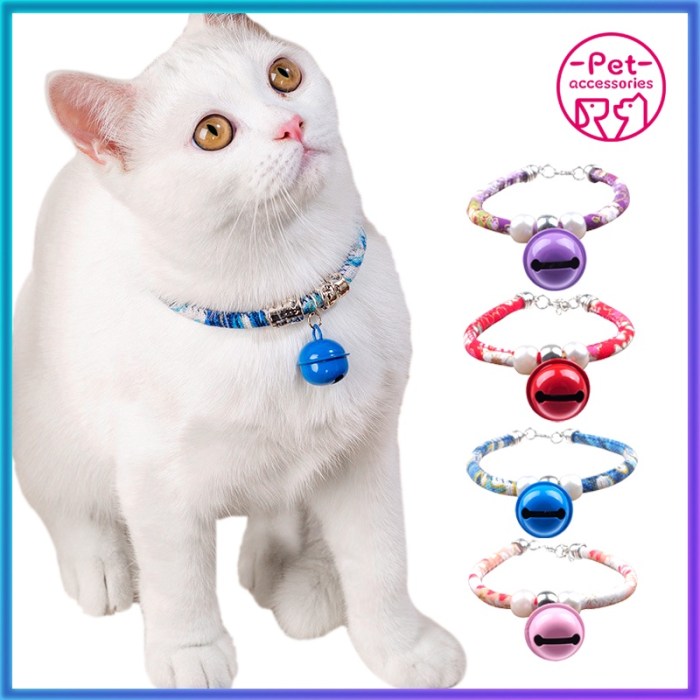
In conclusion, the Japanese pet collar aesthetic stands as a testament to the blending of tradition and innovation. The meticulous attention to detail, the symbolic weight of colors and patterns, and the consideration for individual pet breeds showcase a unique and thoughtful approach to pet fashion. The enduring appeal of this style lies in its ability to connect deeply with the cultural values and artistic sensibilities of the owner, while providing a stylish and comfortable experience for the pet.
