
The world of MRI technologists is a fascinating blend of science, technology, and patient care, a critical role in modern healthcare. From understanding the intricacies of magnetic resonance imaging to ensuring patient comfort and safety, these professionals are essential to the diagnostic process. This guide delves into the multifaceted aspects of this career, offering insights into education, daily responsibilities, and the ever-evolving landscape of medical imaging.
We’ll explore the educational pathways, from associate degrees to advanced certifications, and the core skills needed to excel. We’ll examine the technical expertise required to operate sophisticated equipment, alongside the crucial soft skills needed for effective patient interaction. Furthermore, the discussion will cover safety protocols, ethical considerations, and the exciting advancements shaping the future of MRI technology, providing a complete picture of the profession.
What specific educational pathways are essential for becoming a proficient MRI technologist?
Becoming a proficient MRI technologist requires a solid educational foundation. This foundation encompasses various academic paths, each with its unique curriculum, clinical training, and career implications. Understanding these pathways is crucial for aspiring technologists to make informed decisions about their education and future careers. The choice of educational program significantly impacts the depth of knowledge, technical skills, and career advancement opportunities available to an MRI technologist.
Educational Programs Available
Several educational programs prepare individuals for a career as an MRI technologist. These programs vary in length, curriculum, and clinical training requirements. The primary options include certificate programs, associate’s degrees, and bachelor’s degrees.
Certificate programs offer a focused and shorter route into the field. These programs typically require prior education in a related healthcare field, such as radiography. The curriculum emphasizes MRI-specific principles and techniques.
- Curriculum: Certificate programs concentrate on the fundamentals of MRI physics, imaging techniques, patient care, and safety protocols. They often include courses on anatomy, physiology, and pathology relevant to MRI examinations. Hands-on training using MRI equipment is a crucial component.
- Clinical Training: A significant portion of the certificate program involves clinical rotations in healthcare settings. This practical experience allows students to apply their knowledge, gain experience in operating MRI machines, and interact with patients under the supervision of experienced technologists.
- Advantages: Certificate programs are generally shorter and less expensive than degree programs, enabling a faster entry into the profession.
- Disadvantages: Career advancement opportunities may be limited compared to those with associate’s or bachelor’s degrees. The depth of knowledge and skills acquired may also be less extensive.
Associate’s degrees provide a more comprehensive education, offering a broader understanding of medical imaging and related subjects. These programs typically take two years to complete.
- Curriculum: Associate’s degree programs cover a wider range of topics, including anatomy, physiology, medical terminology, and patient care, in addition to MRI-specific coursework. They often include courses in radiographic positioning, image interpretation, and radiation safety.
- Clinical Training: Extensive clinical rotations are a core component of associate’s degree programs, providing students with opportunities to gain hands-on experience in various clinical settings. These rotations expose students to different types of MRI examinations and patient populations.
- Advantages: Associate’s degrees offer a balance between a comprehensive education and a shorter timeframe compared to bachelor’s degrees. They can provide a solid foundation for career advancement.
- Disadvantages: While more comprehensive than certificate programs, the depth of knowledge and specialization may still be less than that of a bachelor’s degree.
Bachelor’s degrees offer the most in-depth education, preparing technologists for leadership roles, research, and advanced practice. These programs typically take four years to complete.
- Curriculum: Bachelor’s degree programs include all the coursework of associate’s degree programs, along with advanced courses in physics, advanced imaging techniques, research methodologies, and healthcare management. They often emphasize critical thinking, problem-solving, and leadership skills.
- Clinical Training: Clinical rotations in bachelor’s degree programs are extensive and provide opportunities for students to gain experience in specialized areas of MRI, such as cardiac imaging or neuroimaging.
- Advantages: Bachelor’s degrees offer the most comprehensive education and open doors to leadership positions, research opportunities, and higher salaries.
- Disadvantages: Bachelor’s degrees require the most time and financial investment.
Comparison of Educational Paths
Each educational pathway presents distinct advantages and disadvantages. The best choice depends on an individual’s career goals, time commitment, and financial resources.
| Educational Path | Advantages | Disadvantages |
|---|---|---|
| Certificate | Shorter program duration; faster entry into the field; lower cost. | Limited career advancement opportunities; less comprehensive knowledge base. |
| Associate’s Degree | Balance of comprehensive education and time commitment; good foundation for career advancement. | May require more time and financial investment than a certificate program; less specialized knowledge than a bachelor’s degree. |
| Bachelor’s Degree | Most comprehensive education; opens doors to leadership roles and research opportunities; higher earning potential. | Longest program duration; highest financial investment. |
Progression from Education to Certification and Licensing
The typical progression from initial education to professional certification and licensing involves several steps. The process usually begins with completing an accredited educational program. After graduation, aspiring technologists must pass a certification examination administered by a professional organization, such as the American Registry of Radiologic Technologists (ARRT). Passing the exam grants certification and allows the technologist to apply for state licensing, if required. State licensing requirements vary.
A flowchart can visually represent this progression. The flowchart begins with the selection of an accredited educational program (certificate, associate’s, or bachelor’s). After completing the program, the next step is taking and passing the ARRT certification exam. Upon successful completion of the exam, the technologist is certified. The final step is applying for and obtaining state licensure, which is contingent upon meeting the specific requirements of the state in which the technologist intends to practice. The flowchart should show the sequential nature of these steps, with each step leading to the next.
Core Responsibilities and Daily Tasks of an MRI Technologist
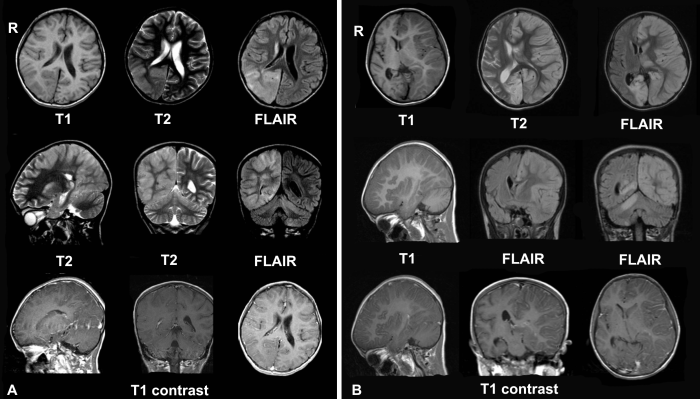
The role of an MRI technologist is multifaceted, demanding a blend of technical expertise, patient care skills, and a strong understanding of medical imaging principles. Daily routines involve interacting with patients, operating sophisticated equipment, and ensuring the highest standards of image quality and patient safety. These responsibilities are critical to providing accurate diagnoses and effective patient care.
Patient Preparation, Safety, and Screening
Patient preparation is a crucial element of the MRI technologist’s daily duties, forming the foundation for a successful and safe examination. This process involves clear communication, thorough screening, and adherence to stringent safety protocols to mitigate potential risks.
- Explaining the Procedure: The technologist must clearly and concisely explain the MRI procedure to the patient, addressing any questions or concerns. This includes detailing the purpose of the scan, the duration, the sounds the machine will make, and what the patient can expect during the examination. This helps to alleviate anxiety and ensure patient cooperation. For example, the technologist might say, “The MRI machine uses strong magnets and radio waves to create detailed images of your body. You will hear loud tapping noises, and we will provide you with ear protection. It is important to lie still during the scan.”
- Screening for Contraindications: A comprehensive screening process is essential to identify any contraindications that could prevent a patient from undergoing an MRI. This involves a detailed questionnaire and, in some cases, a physical assessment. Potential contraindications include:
- Metallic implants (e.g., pacemakers, cochlear implants, aneurysm clips)
- Pregnancy (especially in the first trimester)
- Claustrophobia
- Severe kidney disease (for contrast-enhanced scans)
The technologist must carefully review the patient’s medical history and communicate any concerns to the radiologist.
- Ensuring Patient Safety: Patient safety is paramount. This includes:
- Removing Metallic Objects: Patients must remove all metallic objects, such as jewelry, eyeglasses, and hearing aids, as these can interfere with image quality or pose a safety risk.
- Contrast Agent Administration: If a contrast agent is required, the technologist must ensure the patient has no allergies and administer the agent according to established protocols. Monitoring for adverse reactions is critical.
- Emergency Preparedness: The technologist must be trained in basic life support and be prepared to respond to any medical emergencies that may arise during the scan.
- Specific Safety Protocols: Specific protocols are in place to ensure patient and staff safety. These include:
- Zone System: MRI facilities are divided into zones with varying levels of access control. Zone I is the general waiting area, Zone II is the screening area, Zone III is the control room, and Zone IV is the MRI scanner room. Access to each zone is strictly controlled.
- Ferromagnetic Detection: Before entering Zone IV, patients and staff are screened for ferromagnetic objects using metal detectors.
- Emergency Stop Buttons: The MRI scanner room is equipped with emergency stop buttons to immediately halt the scanning process if necessary.
- Proper Training: All personnel working in the MRI environment must undergo comprehensive training on safety protocols and emergency procedures.
Technical Aspects of Operating MRI Equipment
Operating MRI equipment requires a deep understanding of the technology and a meticulous approach to ensure optimal image quality. The technologist must be proficient in patient positioning, coil selection, protocol optimization, and image acquisition.
- Patient Positioning: Proper patient positioning is crucial for obtaining high-quality images. The technologist must position the patient comfortably and accurately within the MRI scanner, taking into account the specific anatomical region being imaged. This often involves using positioning aids, such as pillows, cushions, and straps, to ensure the patient remains still during the scan. For example, when imaging the brain, the patient is typically positioned supine with the head centered within the head coil.
- Coil Selection: The appropriate coil must be selected based on the anatomical region being imaged. Different coils are designed to optimize signal reception for specific areas of the body. Examples include:
- Head Coil: Used for imaging the brain and surrounding structures.
- Spine Coil: Used for imaging the spinal cord and vertebral column.
- Body Coil: Used for imaging the abdomen, pelvis, and other large areas.
- Extremity Coils: Used for imaging the arms and legs.
The choice of coil directly impacts image quality and the ability to visualize specific anatomical details.
- Protocol Optimization: The MRI protocol must be optimized to obtain the desired images while minimizing scan time and ensuring patient comfort. This involves adjusting various imaging parameters, such as:
- Pulse Sequences: Different pulse sequences (e.g., T1-weighted, T2-weighted, FLAIR) are used to highlight different tissue characteristics.
- Slice Thickness and Spacing: These parameters affect the resolution and detail of the images.
- Field of View (FOV): The FOV determines the area of the body that is imaged.
- Repetition Time (TR) and Echo Time (TE): These parameters influence the contrast and signal intensity of the images.
The technologist must be able to adjust these parameters based on the clinical indication and the patient’s specific needs.
- Image Acquisition: The technologist initiates and monitors the image acquisition process, ensuring that the images are being acquired correctly. This involves:
- Starting the Scan: The technologist starts the scan based on the selected protocol and the patient’s position.
- Monitoring Image Quality: The technologist monitors the images as they are acquired, looking for artifacts or other issues that could affect image quality.
- Making Adjustments: If necessary, the technologist can make adjustments to the protocol or patient positioning to improve image quality.
- Image Archiving: Once the scan is complete, the images are archived and sent to the radiologist for interpretation.
Common MRI Examinations and Clinical Indications
MRI is used to diagnose a wide range of medical conditions. The following table provides examples of common MRI examinations, the anatomical regions imaged, and the clinical indications for each type of scan.
| Examination | Anatomical Region | Clinical Indications | Specific Example |
|---|---|---|---|
| Brain MRI | Brain, Brainstem, Cerebellum | Stroke, Tumors, Multiple Sclerosis, Headaches, Seizures | Detecting a brain tumor by visualizing its size, shape, and location within the brain. |
| Spine MRI | Cervical, Thoracic, or Lumbar Spine; Spinal Cord | Herniated Discs, Spinal Stenosis, Tumors, Infections, Trauma | Identifying a herniated disc pressing on a spinal nerve, causing back pain and radiating symptoms. |
| Knee MRI | Knee Joint, Menisci, Ligaments, Cartilage | Meniscal Tears, Ligament Injuries (ACL, MCL), Arthritis, Cartilage Damage | Diagnosing a torn ACL in a young athlete following a sports injury. |
| Abdominal MRI | Liver, Gallbladder, Pancreas, Kidneys, Spleen | Tumors, Infections, Inflammatory Bowel Disease, Gallstones | Detecting liver lesions to determine if they are benign or malignant. |
| Shoulder MRI | Shoulder Joint, Rotator Cuff, Labrum | Rotator Cuff Tears, Labral Tears, Arthritis, Tendonitis | Assessing the extent of a rotator cuff tear causing shoulder pain and limited range of motion. |
How do MRI technologists interact with patients, and what strategies are effective for ensuring a positive patient experience?
MRI technologists play a crucial role in ensuring a positive patient experience, going beyond technical proficiency to encompass compassionate care and effective communication. Their interactions directly influence patient comfort, cooperation, and overall satisfaction with the procedure. Building trust and alleviating anxiety are paramount in creating a supportive environment for patients undergoing MRI scans.
Importance of Effective Communication Skills
Effective communication is the cornerstone of a positive patient experience. It encompasses not only conveying information clearly but also actively listening to patient concerns and demonstrating empathy. This approach helps to build trust and reduces anxiety, leading to better cooperation during the scan.
- Active Listening: Paying close attention to patients’ concerns, fears, and questions. This involves providing undivided attention, making eye contact, and offering verbal and non-verbal cues of understanding. For instance, if a patient expresses worry about claustrophobia, the technologist should acknowledge the concern and offer specific solutions.
- Empathy: Demonstrating the ability to understand and share the feelings of the patient. This involves acknowledging the patient’s perspective and showing compassion for their situation. A simple phrase like, “I understand this can be a bit overwhelming,” can significantly impact the patient’s emotional state.
- Clear Explanations: Providing detailed and understandable explanations about the MRI procedure, including what to expect, the duration of the scan, and the sounds they will hear. Avoiding medical jargon and using plain language is crucial. For example, the technologist could explain, “You will hear loud tapping noises, but we will provide you with earplugs or headphones to help minimize the sound.”
- Non-Verbal Communication: Utilizing body language to convey reassurance and support. This includes maintaining a calm demeanor, making eye contact, and using gentle gestures. A reassuring smile and a calm voice can do wonders for a patient’s anxiety levels.
Common Patient Anxieties and Fears
Patients often experience a range of anxieties and fears related to MRI procedures. These concerns can stem from claustrophobia, the loud noises of the machine, or a general fear of medical procedures. Addressing these anxieties proactively is essential for a positive experience.
- Claustrophobia: The fear of enclosed spaces is a common concern.
- Technique: Offer open MRI options if available, provide a mirror to view the surroundings, and use relaxation techniques like guided imagery. For instance, a technologist might suggest, “Imagine you’re at the beach, and focus on the sound of the waves.”
- Loud Noises: The sounds produced by the MRI machine can be unsettling.
- Technique: Provide earplugs or headphones, explain the sounds beforehand, and offer music or podcasts. Technologists should inform patients about the specific sounds and their duration.
- Fear of the Unknown: Anxiety about the procedure itself.
- Technique: Provide clear explanations, address questions thoroughly, and show the patient the MRI room and equipment before the scan. A visual tour of the room can help alleviate some of the mystery.
- Fear of Pain or Discomfort: Concerns about potential pain or discomfort during the scan.
- Technique: Reassure the patient that the procedure is painless, explain any potential sensations, and offer pillows or supports for comfort.
- Anxiety about Results: Worry about the findings of the scan.
- Technique: Reassure the patient that the technologist cannot provide results and that they will be communicated by the referring physician. Emphasize that the technologist’s role is to ensure the scan is performed correctly and comfortably.
Managing Challenges During the Examination
MRI technologists must be prepared to manage various challenges that patients may experience during the scan. This includes addressing claustrophobia, managing pain, and providing support for patients with specific needs.
- Claustrophobia Management: Employing several strategies to mitigate claustrophobic reactions.
- Technique: Position the patient so the head is outside the bore if possible, provide a mirror, and offer breaks if needed. The technologist should also stay in constant communication with the patient throughout the scan, offering reassurance and encouragement.
- Pain Management: Assisting patients experiencing pain or discomfort.
- Technique: Ensure comfortable positioning with pillows and supports, offer pain medication if prescribed by a physician, and adjust the scan protocol to minimize scan time if appropriate. The technologist should continuously monitor the patient’s comfort level and make adjustments as needed.
- Addressing Other Challenges: Adapting to the needs of patients with disabilities or specific medical conditions.
- Technique: Communicate with the patient’s caregiver or family, provide assistance with positioning, and modify the scan protocol as necessary. For example, for patients with mobility issues, the technologist might use a special transfer board or adjust the table height.
What are the crucial safety protocols and ethical considerations that MRI technologists must adhere to in their practice?
MRI technologists operate within a complex environment where patient safety and ethical conduct are paramount. The powerful magnetic fields, radiofrequency waves, and potential use of contrast agents demand rigorous adherence to safety protocols and a strong commitment to ethical principles. This includes protecting patients from potential hazards and upholding their rights and well-being throughout the imaging process.
Potential Risks Associated with MRI Procedures and Mitigation Strategies
MRI procedures, while generally safe, present several potential risks that technologists must understand and mitigate. These risks stem from the powerful magnetic fields, radiofrequency pulses, and the potential use of contrast agents.
- Exposure to Strong Magnetic Fields: The primary hazard of MRI is the strong magnetic field, measured in Tesla (T). These fields can exert significant forces on ferromagnetic objects, potentially causing them to become projectiles. The risk is highest with items like metallic implants, pacemakers, and aneurysm clips. Mitigation involves:
- Thorough Screening: A comprehensive screening process is essential before each MRI exam. This includes a detailed questionnaire, visual inspection, and, if necessary, consultation with the patient’s physician regarding any implanted devices or medical history.
- Patient Education: Patients must be informed about the potential risks associated with the magnetic field and instructed to remove all metallic objects before entering the scan room.
- Controlled Environment: The scan room must be meticulously organized, with strict protocols for the removal of all ferromagnetic items, including medical equipment, tools, and personal belongings.
- Emergency Preparedness: Technologists must be trained in emergency procedures, including the rapid shutdown of the magnet (quench) if a metallic object is drawn into the bore.
- Use of Contrast Agents: Gadolinium-based contrast agents (GBCAs) are often used to enhance the visibility of tissues and organs in MRI scans. While generally safe, GBCAs can cause adverse reactions, including allergic reactions and, in rare cases, nephrogenic systemic fibrosis (NSF) in patients with severe kidney disease. Mitigation involves:
- Patient Assessment: Before administering a GBCA, technologists must assess the patient’s renal function (e.g., through creatinine clearance testing) and allergy history.
- Contrast Selection: The choice of contrast agent should be based on the patient’s medical history and the specific imaging needs, considering the risk profile of different GBCAs.
- Adverse Reaction Management: Technologists must be trained in recognizing and managing adverse reactions to contrast agents, including the administration of appropriate medications (e.g., antihistamines, epinephrine).
- Documentation: Detailed documentation of contrast administration, including the type of agent, dose, and any observed reactions, is crucial.
- Presence of Metallic Objects: The presence of metallic objects within the patient’s body poses a significant safety risk. Ferromagnetic objects can be attracted to the magnet, leading to injury. Even non-ferromagnetic objects can cause image artifacts that obscure diagnostic information. Mitigation involves:
- Thorough Screening Protocols: Utilizing questionnaires, physical assessments, and reviewing medical records to identify any implanted devices or metallic objects.
- Specific Guidelines: Adhering to strict guidelines regarding patients with implanted medical devices, such as pacemakers, cochlear implants, and neurostimulators.
- Specialized Techniques: Employing techniques to minimize artifacts caused by metallic objects, such as using specific imaging sequences or applying metal artifact reduction sequences (MARS).
Adherence to Radiation Safety Guidelines and Protocols
Although MRI does not use ionizing radiation, it’s crucial to follow general safety guidelines related to the scanner environment and the protection of both the patient and the technologist.
- No ionizing radiation: MRI scanners do not utilize ionizing radiation, so there is no direct risk of radiation exposure in the traditional sense.
- Safety Procedures: Despite the absence of radiation, the scanning environment must be safe, including proper lighting, ventilation, and emergency protocols.
- Technologist Protection: Technologists should always maintain a safe distance from the scanner during image acquisition.
Ethical Considerations in MRI Practice
MRI technologists are bound by a strong ethical code that prioritizes patient well-being, confidentiality, and professional integrity. Ethical practice ensures patients receive the highest quality care and are treated with respect and dignity.
- Patient Confidentiality: Maintaining patient confidentiality is paramount. All patient information, including medical records and imaging results, must be kept private and secure. This involves:
- Secure Data Storage: Using secure electronic systems for storing and transmitting patient data.
- Limited Access: Restricting access to patient information to authorized personnel only.
- Compliance with Regulations: Adhering to all relevant privacy regulations, such as HIPAA.
- Informed Consent: Obtaining informed consent from the patient before the MRI procedure is essential. This involves:
- Clear Explanation: Providing the patient with a clear and understandable explanation of the procedure, including its purpose, potential risks, and benefits.
- Opportunity for Questions: Allowing the patient ample opportunity to ask questions and express any concerns.
- Voluntary Participation: Ensuring the patient’s participation is voluntary and that they have the right to refuse the procedure.
- Responsibility to Report Errors or Adverse Events: Technologists have a responsibility to report any errors, adverse events, or near misses that occur during the MRI procedure. This includes:
- Prompt Reporting: Reporting incidents promptly to the appropriate authorities, such as the radiologist or the department supervisor.
- Accurate Documentation: Documenting the incident accurately and completely, including the details of what happened, the actions taken, and the outcome.
- Continuous Improvement: Participating in quality improvement initiatives to prevent similar incidents from happening in the future.
- Professionalism and Compassion: Treating all patients with respect, empathy, and compassion. This involves:
- Effective Communication: Communicating clearly and effectively with patients, addressing their concerns, and providing reassurance.
- Patient Comfort: Ensuring the patient’s comfort and well-being throughout the procedure, including providing appropriate positioning and pain management.
- Cultural Sensitivity: Being sensitive to the patient’s cultural background and beliefs.
What technological advancements and emerging trends are shaping the future of the MRI technologist profession?
The field of Magnetic Resonance Imaging (MRI) is undergoing rapid transformation, driven by technological innovations that are reshaping the role and responsibilities of MRI technologists. These advancements are not only improving the quality and efficiency of imaging but also expanding the scope of practice, requiring technologists to adapt and acquire new skills. The integration of artificial intelligence, the development of new imaging techniques, and the increasing use of MRI in interventional procedures are key factors influencing the future of the profession.
Impact of Artificial Intelligence and Machine Learning on MRI
Artificial intelligence (AI) and machine learning (ML) are significantly impacting MRI image acquisition, processing, and interpretation. These technologies offer the potential to enhance diagnostic accuracy, reduce scan times, and improve workflow efficiency, but also present challenges that must be addressed.
* Image Acquisition: AI algorithms are being used to optimize scan parameters and reduce artifacts, leading to improved image quality. For instance, AI-powered techniques can shorten scan times by reconstructing images from undersampled data.
* Image Processing: ML algorithms can automate image segmentation, allowing for faster and more accurate analysis of anatomical structures. AI can also assist in the detection and quantification of diseases, such as tumors or lesions, providing radiologists with valuable quantitative data.
* Image Interpretation: AI tools are being developed to assist radiologists in the interpretation of MRI scans. These tools can identify subtle anomalies and provide supporting evidence for diagnoses, potentially improving diagnostic accuracy and reducing the workload on radiologists.
“AI-powered algorithms can analyze large datasets of MRI images to identify patterns indicative of disease, assisting in early diagnosis and treatment planning.”
* Potential Benefits: Increased diagnostic accuracy, reduced scan times, improved workflow efficiency, and potential for personalized medicine.
* Challenges: The need for high-quality training data, the potential for algorithmic bias, and the requirement for technologists to be proficient in AI-related technologies.
Comparison of Different MRI Technologies
Various MRI technologies are available, each with specific applications and advantages. Understanding these differences is crucial for MRI technologists to select the appropriate imaging protocols and ensure optimal image quality.
* High-Field MRI: High-field MRI systems (3 Tesla and above) offer enhanced image resolution and signal-to-noise ratio, enabling detailed visualization of anatomical structures. These systems are particularly useful for imaging the brain, musculoskeletal system, and cardiovascular system.
“3 Tesla MRI systems are increasingly used for neuroimaging, providing superior anatomical detail compared to lower-field systems.”
* Functional MRI (fMRI): fMRI measures brain activity by detecting changes in blood flow. It is used to map brain function, study cognitive processes, and diagnose neurological disorders. fMRI requires specialized imaging protocols and expertise in data analysis.
“fMRI is a powerful tool for studying brain activity during specific tasks, such as language processing or memory recall.”
* Diffusion-Weighted Imaging (DWI): DWI measures the movement of water molecules within tissues, providing information about tissue microstructure. It is used to detect stroke, assess brain tumors, and evaluate other neurological conditions. DWI requires careful attention to imaging parameters to ensure accurate results.
“DWI is crucial for the early detection of stroke, as it can identify areas of restricted diffusion caused by ischemia.”
Emerging Techniques Expanding the Scope of Practice
Emerging techniques are expanding the scope of practice for MRI technologists, requiring them to acquire new skills and knowledge. These advancements are changing how MRI is used in clinical settings, with a focus on minimally invasive procedures.
* MRI-Guided Interventions:
* MRI-guided biopsies allow for precise targeting of suspicious lesions, minimizing invasiveness and improving diagnostic accuracy.
* MRI-guided focused ultrasound (MRgFUS) is a non-invasive technique used to treat various conditions, such as tumors and tremors, by delivering focused ultrasound energy under MRI guidance.
* MRI-guided interventions require specialized training and expertise in sterile technique, patient monitoring, and image interpretation.
* Advanced Imaging Techniques:
* MR spectroscopy (MRS) provides information about the chemical composition of tissues, aiding in the diagnosis of metabolic disorders and brain tumors.
* Perfusion imaging measures blood flow within tissues, providing valuable information about tissue viability and response to treatment.
* Cardiac MRI is used to assess heart function, diagnose heart disease, and guide interventional procedures.
* AI-Enhanced Imaging:
* AI-powered tools are being used to optimize imaging protocols, reduce scan times, and improve image quality.
* AI algorithms are assisting in the detection and quantification of diseases, providing radiologists with valuable quantitative data.
* AI is playing an increasing role in image post-processing and analysis, enabling faster and more accurate diagnosis.
How does the work environment of an MRI technologist vary across different healthcare settings, and what are the associated advantages and disadvantages?
The professional landscape for MRI technologists is diverse, shaped by the type of healthcare facility they work in. Each setting presents a unique set of challenges and opportunities, influencing everything from the types of cases encountered to the pace of the workday. Understanding these variations is crucial for technologists seeking to align their career aspirations with a specific work environment.
Work Environment Differences: Hospitals, Outpatient Centers, and Mobile Units
The environment of an MRI technologist is significantly influenced by the healthcare setting. Differences in equipment, patient volume, and staffing levels are common across hospitals, outpatient imaging centers, and mobile MRI units.
* Hospitals: Hospitals typically house a wide range of MRI scanners, including those dedicated to specific purposes such as cardiac imaging or neuroimaging. Patient volume can be high, and technologists often encounter a diverse patient population with complex medical conditions. Staffing levels are generally higher, with support staff readily available. The fast-paced environment necessitates adaptability and the ability to handle emergency situations.
* Outpatient Imaging Centers: These centers focus primarily on scheduled outpatient examinations. Equipment may be newer and more specialized, catering to specific diagnostic needs, such as musculoskeletal imaging. Patient volume can be more predictable, allowing for more structured scheduling. Staffing levels are often leaner than in hospitals, which can increase the workload per technologist.
* Mobile MRI Units: Mobile units provide MRI services to remote areas or facilities without permanent MRI equipment. The equipment is transported between locations, requiring technologists to be adept at setting up and operating the scanner in various environments. Patient volume and types of cases vary depending on the host facility. Staffing is typically limited to the technologist and potentially a driver/support staff.
Challenges and Rewards in Different Settings
Each healthcare setting presents its own set of challenges and rewards for MRI technologists.
* Hospitals:
* Challenges: High patient volume can lead to burnout and time constraints. Exposure to a wide range of critical and emergency cases can be stressful. The need to adapt to constantly changing protocols and technologies.
* Rewards: Exposure to a wide variety of cases and pathologies, offering opportunities for professional growth. The potential for collaboration with a multidisciplinary team. Access to advanced imaging techniques and technologies.
* Outpatient Imaging Centers:
* Challenges: Potentially repetitive workflows due to a focus on specific examinations. Limited exposure to complex medical cases.
* Rewards: More predictable work schedules and potentially higher compensation. Focus on patient comfort and satisfaction. Opportunity to specialize in specific imaging modalities.
* Mobile MRI Units:
* Challenges: The need to travel and adapt to different work environments. Potential for isolation due to limited staffing. Technical challenges related to equipment setup and transportation.
* Rewards: The opportunity to work in diverse settings and provide services to underserved populations. Increased independence and autonomy. Exposure to a variety of patient populations.
Comparative Table: Work Environment, Job Duties, and Career Prospects
The following table summarizes the key differences between the work environments for MRI technologists in different healthcare settings.
| Setting | Work Environment | Job Duties | Career Prospects |
|---|---|---|---|
| Hospital | Fast-paced, diverse patient population, high patient volume, access to advanced technology, potential for emergency cases. | Perform a wide range of MRI examinations, including complex cases. Collaborate with a multidisciplinary team. Participate in research and training. | Opportunities for specialization, leadership roles, and advanced certifications. Potential for career advancement within the hospital system. |
| Outpatient Imaging Center | Scheduled appointments, focus on specific imaging modalities, potentially newer equipment, more predictable workflow. | Perform routine MRI examinations. Focus on patient comfort and efficient workflow. | Opportunities for specialization in a specific area (e.g., musculoskeletal imaging). Potential for management roles within the center. |
| Mobile MRI Unit | Travel to different locations, set up and operate equipment in various environments, potential for limited staffing, exposure to diverse patient populations. | Set up and operate the MRI scanner at different locations. Perform MRI examinations. Interact with patients from various backgrounds. | Opportunities to work in different geographic locations. Potential for increased independence and autonomy. |
What are the essential professional skills and qualities that contribute to success for an MRI technologist?
Success in the demanding field of MRI technology hinges on a blend of technical expertise and interpersonal skills. MRI technologists must possess a robust understanding of complex imaging principles while simultaneously demonstrating empathy and effective communication to ensure optimal patient care and collaborative efficiency. This combination of hard and soft skills is critical for accurate diagnoses, patient safety, and professional advancement.
Technical Proficiency in MRI
Technical competence is the bedrock of an MRI technologist’s practice. This encompasses a comprehensive grasp of anatomy, physiology, and image interpretation, alongside the practical ability to operate and maintain sophisticated imaging equipment. The ability to troubleshoot equipment malfunctions and adapt imaging protocols is paramount for delivering high-quality diagnostic images.
- Anatomy and Physiology: A deep understanding of the human body’s structure and function is crucial for identifying normal and abnormal findings on MRI scans. Technologists must accurately recognize anatomical landmarks and understand how different tissues appear on MRI images.
- Image Interpretation: MRI technologists are not radiologists, but they must possess a solid understanding of image quality and common pathologies. They must be able to recognize artifacts, assess image clarity, and differentiate between normal and abnormal structures, alerting the radiologist to potential issues.
- Equipment Operation and Maintenance: Proficiency in operating MRI scanners, including selecting appropriate imaging parameters, positioning patients correctly, and ensuring patient safety, is essential. Technologists must also be able to perform routine maintenance and troubleshoot minor equipment problems.
- Troubleshooting: The ability to diagnose and resolve technical issues, such as image artifacts or equipment malfunctions, is vital for minimizing downtime and ensuring accurate image acquisition. This often involves adjusting imaging parameters or contacting service engineers for more complex problems.
Essential Soft Skills for MRI Technologists
Beyond technical prowess, MRI technologists rely heavily on soft skills to provide patient-centered care and collaborate effectively within a healthcare team. Communication, problem-solving, teamwork, and attention to detail are critical for a positive patient experience and efficient workflow.
- Communication: Clear and empathetic communication is essential for explaining procedures to patients, addressing their concerns, and obtaining accurate medical histories. Technologists must be able to communicate effectively with patients of all ages and backgrounds.
- Scenario: A patient is claustrophobic. The technologist explains the procedure in detail, offers reassurance, and suggests techniques to minimize anxiety, such as using a mirror or music.
- Problem-Solving: MRI technologists must be able to think critically and adapt to unexpected situations, such as patient movement during scanning or equipment malfunctions. They need to identify problems quickly and implement effective solutions.
- Scenario: An image is blurry due to patient movement. The technologist reassesses the patient’s comfort, adjusts the scanning parameters to minimize scan time, and repeats the scan.
- Teamwork: MRI technologists work closely with radiologists, nurses, and other healthcare professionals. They must be able to collaborate effectively to ensure efficient patient care and accurate diagnoses.
- Scenario: A radiologist requests additional images. The technologist communicates with the radiologist to understand the specific needs and adjusts the imaging protocol accordingly, ensuring a smooth and coordinated workflow.
- Attention to Detail: MRI technologists must pay close attention to detail to ensure accurate image acquisition, patient safety, and adherence to protocols. They must meticulously follow instructions and maintain accurate records.
- Scenario: A technologist double-checks patient identification, verifies the correct imaging protocol, and meticulously documents all relevant information in the patient’s medical record.
How can MRI technologists effectively pursue professional development and career advancement opportunities throughout their careers?
MRI technologists, like all healthcare professionals, must commit to lifelong learning to remain current in a rapidly evolving field. This commitment not only ensures technical proficiency but also unlocks avenues for career progression and increased earning potential. Continuous professional development is not merely advantageous; it is essential for success and longevity in the profession.
Importance of Continuing Education
Continuing education is the cornerstone of a successful and fulfilling career for an MRI technologist. The field is constantly advancing, with new technologies, techniques, and safety protocols emerging regularly. Engaging in ongoing learning ensures technologists maintain their competence and enhance their skills.
- Attending Conferences: Conferences provide opportunities to learn about the latest advancements in MRI technology, network with peers, and earn continuing education credits (CEUs). For example, the Radiological Society of North America (RSNA) and the American Society of Radiologic Technologists (ASRT) offer comprehensive educational programs and workshops. These events are crucial for staying abreast of cutting-edge research and best practices.
- Completing Advanced Certifications: Specializing in a particular area of MRI, such as cardiac imaging, musculoskeletal imaging, or neuroimaging, can significantly enhance career prospects. Obtaining advanced certifications from organizations like the American Registry of Radiologic Technologists (ARRT) demonstrates expertise and commitment to a specific area, potentially leading to higher salaries and specialized job roles. For instance, an MRI technologist specializing in cardiac imaging may be in high demand at a specialized cardiac center.
- Pursuing Further Education: While an associate’s degree is the minimum requirement for entry into the field, a bachelor’s or master’s degree can open doors to leadership positions, research opportunities, and teaching roles. A master’s degree in medical imaging or a related field can be particularly beneficial for those seeking management positions or advanced clinical roles.
Career Advancement Paths for MRI Technologists
MRI technologists have diverse career advancement options, allowing them to tailor their careers to their interests and ambitions. The path chosen often depends on individual preferences and professional goals.
- Specialization: As mentioned previously, specializing in a particular area of MRI can lead to increased demand and potentially higher salaries. Examples include:
- Cardiac MRI: Specialization in imaging the heart and related structures.
- Neuro MRI: Focusing on imaging the brain and spinal cord.
- Musculoskeletal MRI: Specializing in imaging bones, joints, and soft tissues.
- Pediatric MRI: Expertise in imaging children.
- Management Roles: Experienced MRI technologists can advance into management positions, such as lead technologist, MRI supervisor, or imaging director. These roles involve overseeing staff, managing budgets, and ensuring the smooth operation of the MRI department. This often requires additional education, such as a bachelor’s or master’s degree in healthcare administration.
- Teaching Positions: Technologists with a passion for education can pursue teaching positions at community colleges, universities, or technical schools. This involves sharing their knowledge and experience with the next generation of MRI technologists. A master’s degree is typically required for teaching positions.
Creating a Professional Development Strategy
A well-defined professional development strategy is essential for achieving career goals. This involves setting clear objectives, identifying resources, and regularly tracking progress.
- Setting Goals: Define specific, measurable, achievable, relevant, and time-bound (SMART) goals. For example, a technologist might set a goal to obtain a specific advanced certification within two years or to pursue a management position within five years.
- Identifying Resources: Identify resources that can support professional development. These may include:
- Professional Organizations: ASRT, RSNA, and other relevant societies provide educational materials, conferences, and networking opportunities.
- Online Courses and Webinars: Platforms like ARRT offer online courses and CEUs.
- Mentorship Programs: Seek guidance from experienced MRI technologists or managers.
- Employer-Sponsored Training: Take advantage of any training programs offered by your employer.
- Tracking Progress: Regularly monitor progress toward goals. This might involve:
- Maintaining a Professional Portfolio: Document completed CEUs, certifications, and other achievements.
- Seeking Regular Feedback: Request feedback from supervisors and colleagues.
- Updating a Professional Development Plan: Review and revise the plan regularly to reflect progress and evolving career goals.
Epilogue
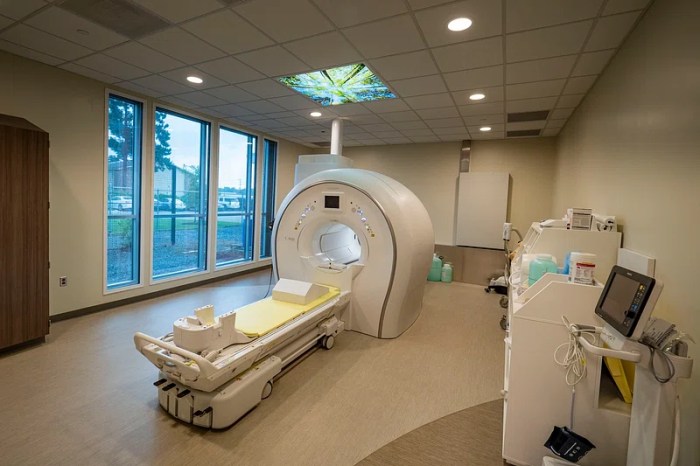
In conclusion, the journey of an MRI technologist is one of continuous learning and adaptation, fueled by a commitment to both technological proficiency and compassionate patient care. The profession offers diverse opportunities for specialization and advancement, making it a dynamic field for those passionate about medical imaging. From mastering the technical aspects of image acquisition to navigating the complexities of patient interaction, the role of an MRI technologist is vital in delivering high-quality healthcare and driving advancements in diagnostic medicine.
